How Lake-Effect Weather Damages Trees in Northeast Ohio And When to Call Emergency Tree Service
Lake-effect weather is one of the most damaging forces Northeast Ohio trees face each winter. Homeowners in Cleveland Heights, OH, experience some of the region's harshest lake-driven storms, making emergency tree service a real and recurring need from November through March. If a storm has already left damage behind, call Woodland Tree Service at (216) 337-2929 for a fast response. This post covers how lake-effect ice, snow loads, and wind events injure trees, the warning signs to watch for, and the immediate steps to take after a storm.
How Lake-Effect Weather Specifically Damages Trees
Lake-effect storms hit Cleveland Heights with targeted force. Cold Arctic air pushes southeast across Lake Erie, picks up moisture, and drops concentrated bands of snow, ice, or both over Cuyahoga County. Tree damage typically falls into three categories.
Heavy Snow Load Failure
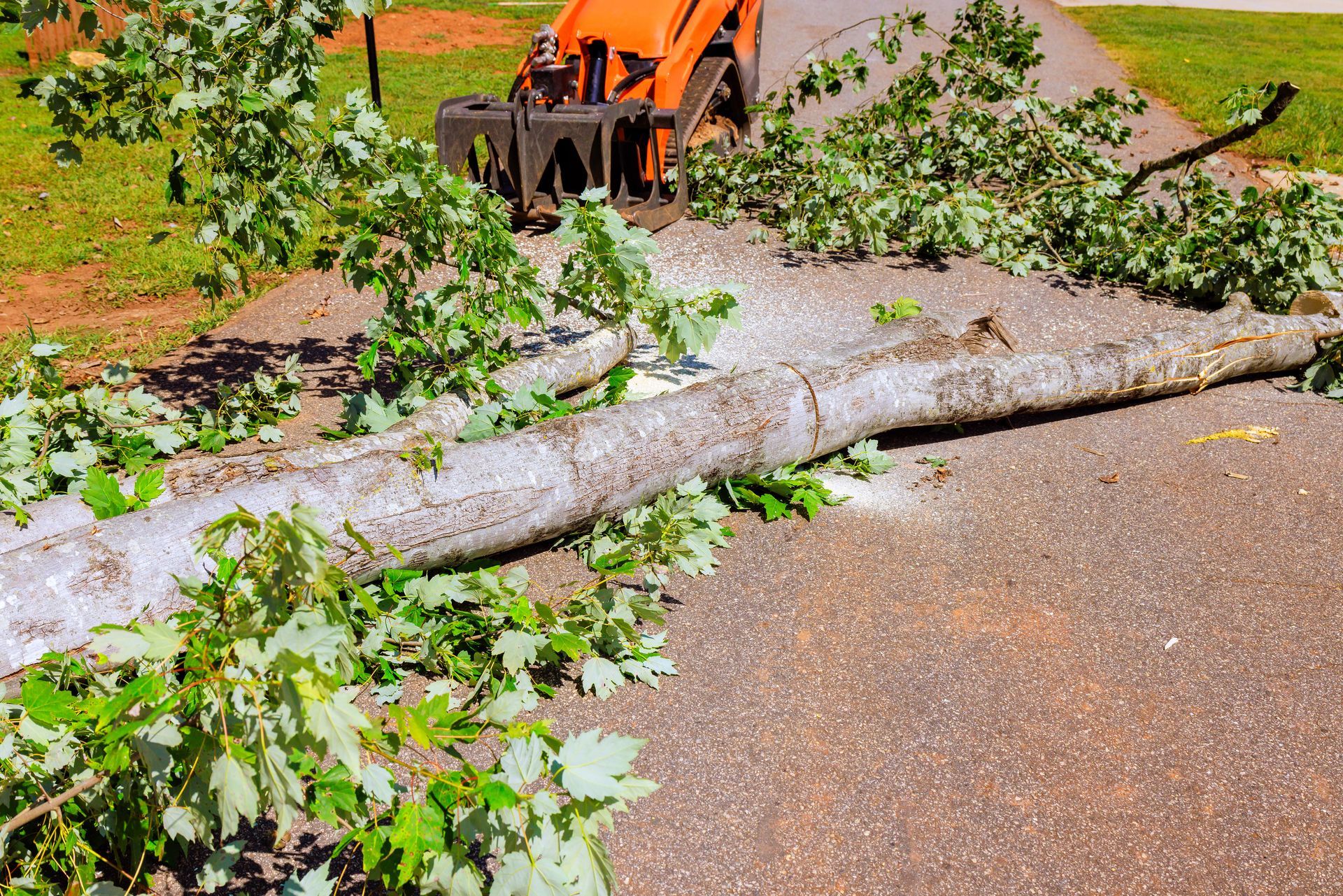
A mature oak or maple can hold a surprising amount of snow. But when wet, dense lake-effect snow piles up on branches for hours, the cumulative weight may cause limbs to crack or tops to split out. Trees along Fairmount Boulevard and throughout University Heights carry wide, spreading canopies that are especially vulnerable. Evergreens are at even higher risk because their needles hold snow that deciduous trees would shed.
Ice Accumulation and Branch Loss
A single inch of glaze ice can multiply a branch's weight many times over. This stresses branch unions and root systems already weakened by freeze-thaw cycles. When temperatures swing back up after an ice event, delayed branch drops can arrive hours or days after the storm. Situations like these are precisely why having a local emergency tree service on call before winter arrives matters.
Wind-Driven Uprooting
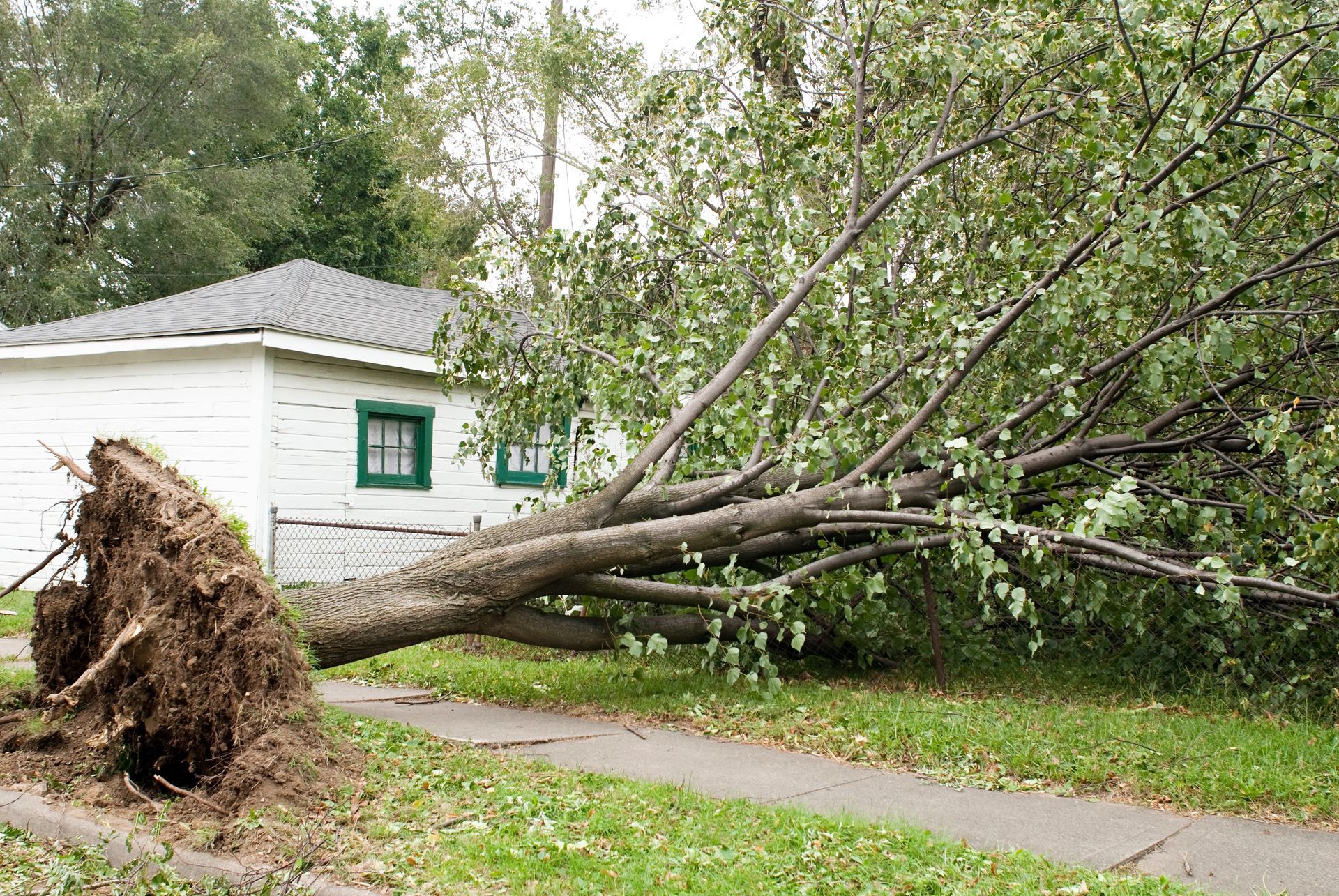
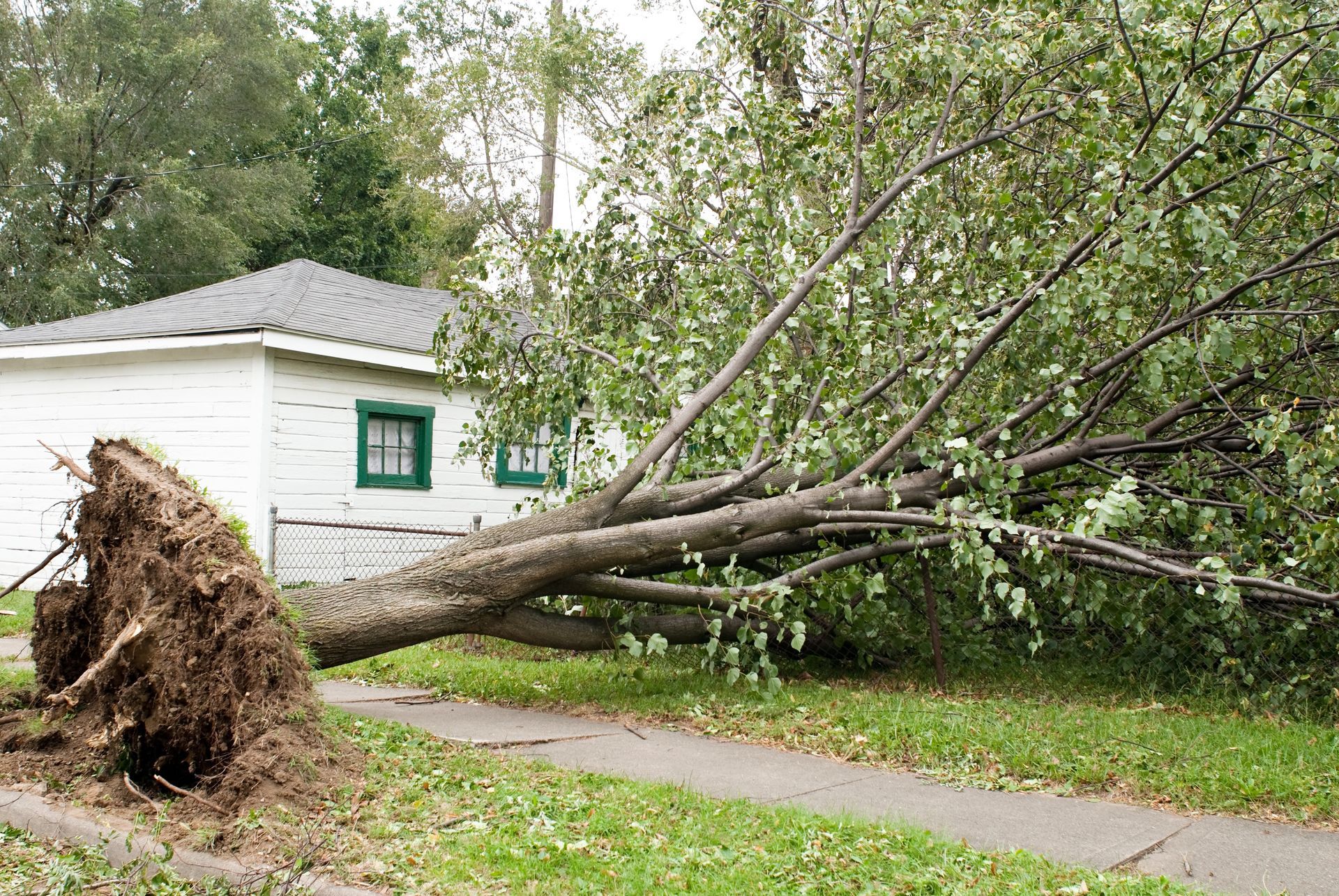
Gusts during lake-effect events can reach 50 mph. That sustained wind load can rock a tree's root plate, especially in the clay-heavy soils common in Cuyahoga County. Trees that appear healthy from above may have shallow or compromised root systems invisible to the naked eye, creating hazards that require prompt attention from a qualified crew.
Warning Signs of Storm-Damaged Trees
Storm damage is not always obvious right after a weather event. A careful walk around your property after any lake-effect storm may prevent a bigger problem later. Look for these warning signs:
- Hanging or "widow-maker" branches still attached but cracked through, which can fall without warning.
- Visible splits running lengthwise down the trunk or major limbs.
- A sudden lean that was not there before the storm
- Root heaving where soil near the base has lifted or cracked.
- Bark stripped away on one side, often a sign of lightning strike or severe wind shear.
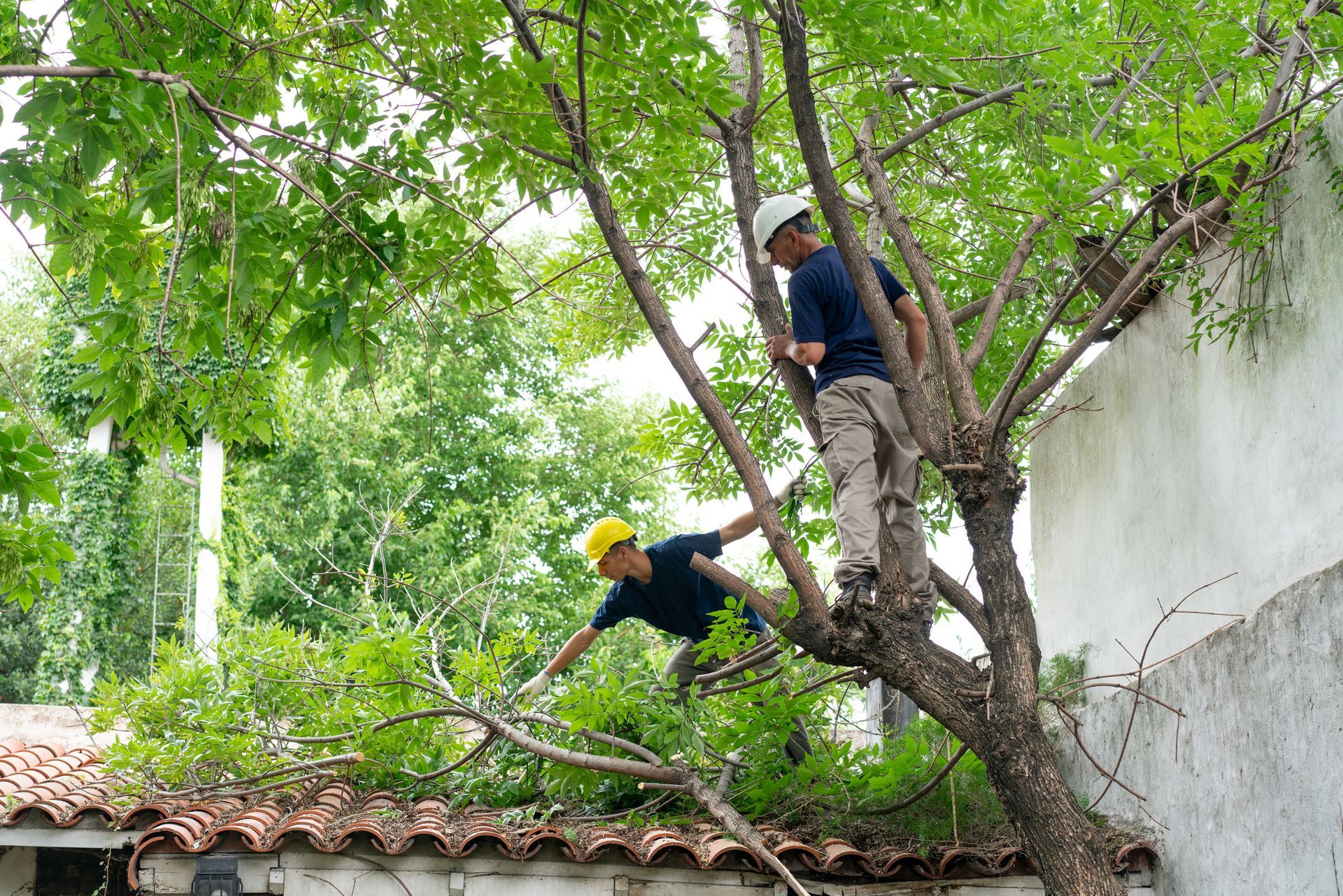
- Downed branches resting on power lines or your roof.
If a tree leans toward a structure, a vehicle, or a pedestrian path, treat it as urgent and contact an emergency tree service without delay.
Immediate Safety Steps After a Lake-Effect Storm
Take these steps as soon as it is safe to go outside:
- Stay away from any tree in contact with a power line and call your utility company first.
- Walk the perimeter of your home and note branches resting on the roof, fence, or driveway.
- Do not attempt to pull down hanging branches with ropes, ladders, or poles. Releasing a loaded limb without proper rigging can cause serious injury
- Photograph all visible damage before cleanup begins, as documentation supports insurance claims.
- Cordon off the area beneath a damaged tree until a professional can assess it.
When to Call for Emergency Tree Service in Cleveland Heights
Emergency tree service in Cleveland Heights, OH, is the appropriate call any time a tree poses immediate risk to life or property. Do not wait for regular business hours when a large limb is suspended over a bedroom or a root ball has shifted a tree toward your neighbor's fence. A 24-hour response can assess the situation safely, remove what needs to come down, and identify what can be saved.
Early and late-season snows are especially dangerous because trees with leaves still attached carry far more snow weight. This makes late October and early November in Shaker Heights and University Heights particularly high-risk windows. For non-urgent damage, scheduling a hazardous tree assessment after the storm allows a trained eye to identify hidden structural issues that a casual walkthrough may miss.
How Much Snow Does It Take to Damage a Tree?
Even a few inches of wet, heavy snow can stress major limbs. Lake-effect snow in Cuyahoga County is often far denser than ordinary snowfall, meaning accumulation totals that look modest on paper may still cause significant branch failure.
Is It Safe to Remove a Storm-Damaged Tree Myself?
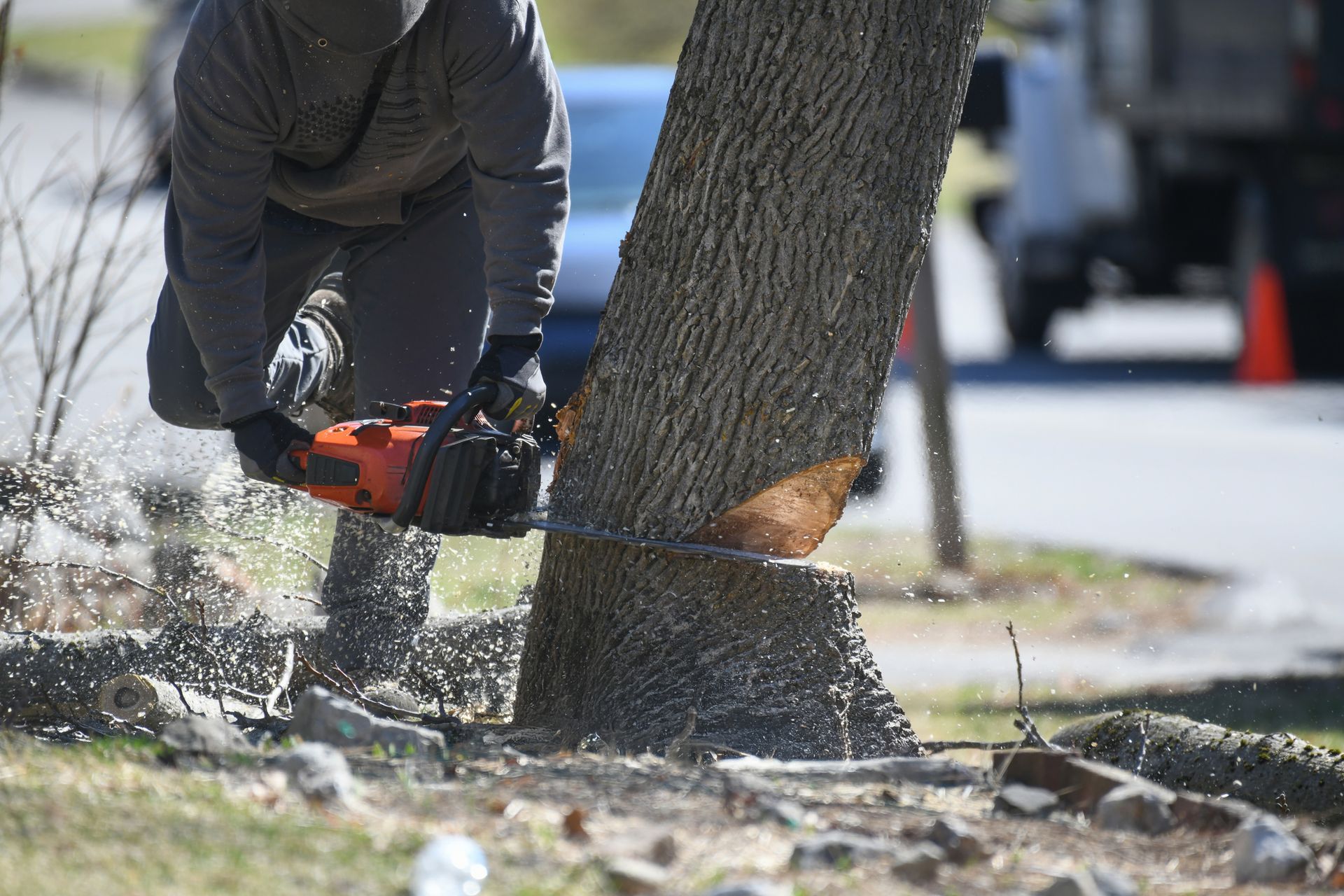
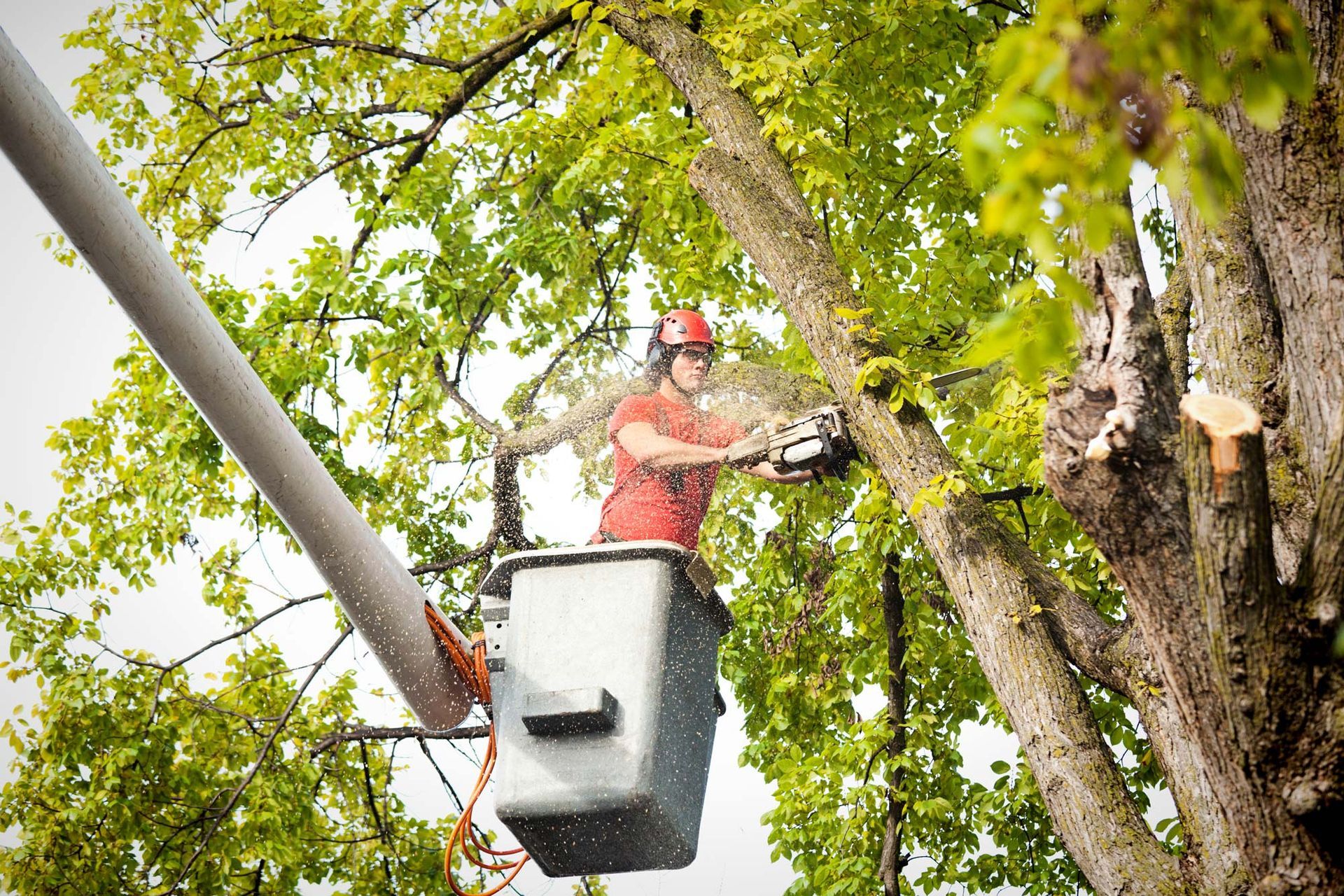
Rarely. Loaded limbs may shift unpredictably, and trees with compromised root plates can fall in unexpected directions. A professional crew has the rigging, gear, and training to manage these risks safely.
How Quickly Should I Call After Storm Damage?
Contact a tree professional as soon as it is safe to go outside, even if damage seems minor. Hidden cracks and hanging limbs can worsen with the next wind event or freeze-thaw cycle, turning a manageable situation into a larger and more costly emergency.
Get Help from a Licensed Local Expert
Tree removal in Cleveland Heights, OH, involves real regulatory responsibility. Working with a properly licensed professional makes the process smoother, safer, and fully compliant. Woodland Tree Service serves Cleveland Heights and the surrounding Northeast Ohio area, offering tree and stump removal, hazardous tree assessment, storm damage cleanup, and 24-hour emergency service. The team is fully insured and bonded and can help navigate local ordinance requirements so you don't have to guess.
Ready to move forward? Contact the team to request a free quote, or explore the full list of tree removal and care services available in your area. You can also call (216) 337-2929 to speak with someone directly. Look up Woodland Tree Service on Google Maps for business details, directions, and reviews from your neighbors.